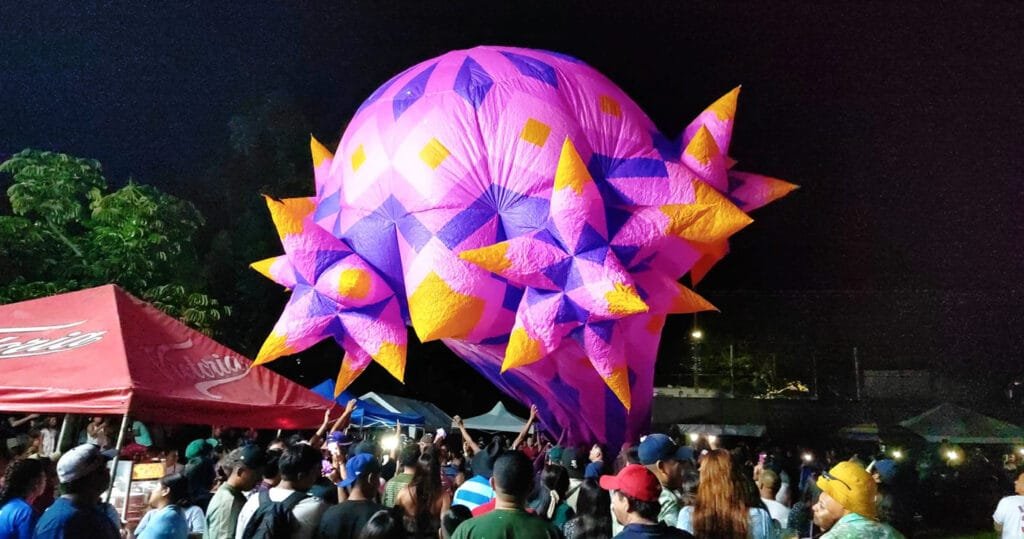
At six in the morning, while the sky is still dark, the first fireworks echo through the quiet streets. The scent of fresh flowers and glowing candles blends with the sound of a mariachi ensemble playing Las Mañanitas, a traditional birthday serenade in Mexico. This is how Ajijic awakens every December 12—wrapped in devotion, tradition, and a sense of community as it honors Our Lady of Guadalupe.
For more than a week, this charming town on the shores of Lake Chapala transforms. Families decorate altars at their doorsteps, children join the daily processions, and visitors are welcomed as if they were part of the community itself.
Can you imagine experiencing all of this from the heart of the village, just steps from the sanctuary?
From Hotel Casa Blanca Ajijic, you can feel the celebration as if you were a local.
Book your room today and become part of this unforgettable tradition.
This celebration is part of Ajijic’s rich calendar of religious, cultural, and community events. To learn about other local festivities—including parades, patron saint celebrations, holiday traditions, and seasonal events—visit our complete guide to festivals and traditions in Ajijic and discover what makes each season in the village unique.
What is celebrated and why is it so meaningful?
Our Lady of Guadalupe—considered the spiritual patroness of Mexico—is a powerful symbol of unity, comfort, and faith. In Ajijic, her presence is not only honored inside churches; it lives in home altars, murals, songs, and most noticeably, in the streets. This celebration carries special weight here because of the deep devotion of local families, who have preserved the tradition generation after generation.
The result is a celebration that blends spirituality, culture, and community in a way that feels both intimate and profoundly shared. In Ajijic, honoring the Virgin is not limited to religious observance: it is an expression of identity, heritage, and collective memory.
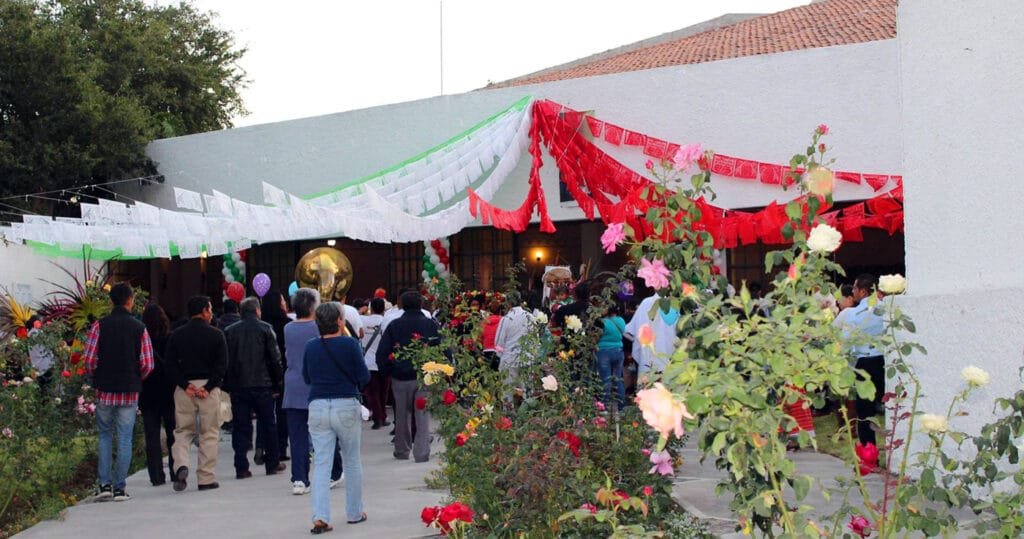
Celebration Calendar for the Feast of Our Lady of Guadalupe in Ajijic
The celebration of Our Lady of Guadalupe in Ajijic takes place every December and features nine days of vibrant religious and community events. In 2025, the festivities begin on Thursday, December 4, and conclude on Friday, December 12, with different families, neighborhoods, and community groups taking turns organizing each day’s activities.
Every morning starts with a dawn rosary at 6:00 a.m., followed by an evening procession and a main mass at 8:00 p.m., with slight variations depending on the day’s organizers. Throughout the novena, processions depart from designated host homes and make their way through various streets until reaching the Guadalupe Sanctuary. Families decorate altars on their front façades, offer fresh flowers, and welcome pilgrims in an atmosphere of reverence and community spirit.
The highlight of the entire celebration is Friday, December 12, the feast day dedicated to Our Lady of Guadalupe. At dawn, the traditional mañanitas—a serenade to honor the Virgin—can be heard throughout the village, and masses begin as early as 6:00 a.m. At noon, the First Communion mass gathers families from both inside and outside the village. In the afternoon, at 4:00 p.m., the solemn procession begins, with the image of the Virgin carried with deep devotion along a symbolic route. The day continues with a 6:00 p.m. mass, followed by a final 8:00 p.m. mass featuring “La Salve,” and concludes with a spectacular fireworks display at 10:00 p.m.
More than a schedule of events, this celebration is a living expression of community participation. Neighborhoods plan weeks in advance, families prepare their special day with enthusiasm, and visitors are always welcome to join respectfully. Ajijic’s Guadalupan festivities are a testament to identity, faith, and enduring shared tradition.
Where is the Sanctuary of Our Lady of Guadalupe?
The sanctuary was inaugurated on December 9, 1988. All liturgical celebrations—masses, rosaries, and the arrival of processions—take place at the Sanctuary of Our Lady of Guadalupe, the spiritual heart of this festive season. The church is located at Ocampo #110 in the Barrio de Guadalupe, one of the most traditional neighborhoods in Ajijic.
The sanctuary sits just a few blocks from the lakeside boardwalk (malecón), making it easily accessible on foot from various points in the town center. During the festivities, its doors remain open from early morning until late at night, welcoming neighbors, pilgrims, and visitors. The white façade and strategic location at the convergence of several streets make it an unmistakable landmark.
Because some streets may be closed during certain events, it is recommended to arrive on foot or park a short distance away. The Barrio de Guadalupe becomes a vibrant meeting point filled with devotion, music, and community throughout the celebration.
A Celebration You Walk, Sing, and Live
Everything begins with the steady beat of drums. On a cobblestone street, the local War Band leads the procession with a solemn rhythm as it makes its way toward the sanctuary. Their sound echoes between the village’s adobe walls, and on the faces of the young marchers you can see a blend of pride and responsibility—they know this is no ordinary parade but a living tradition.
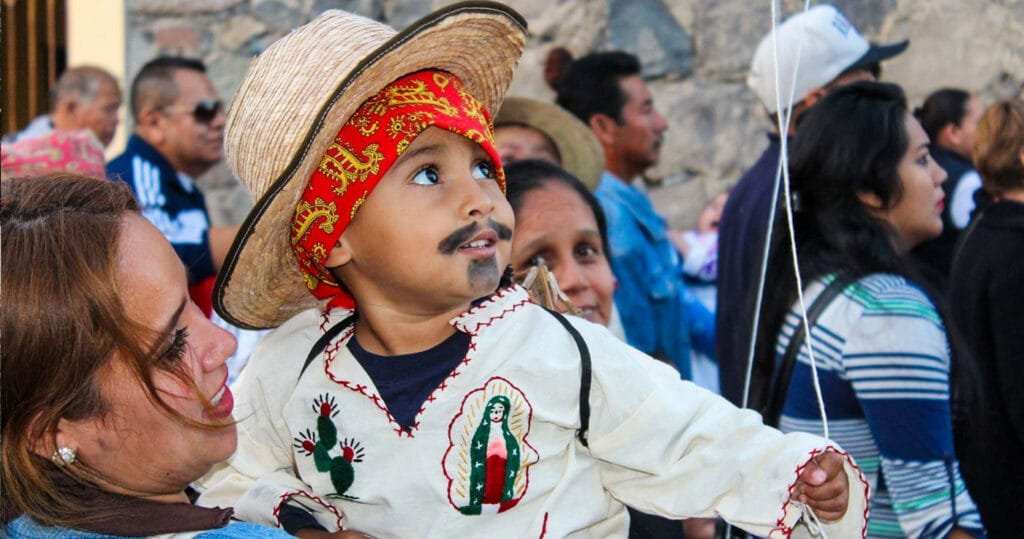
Behind them, mothers walk with their children dressed as Juan Diego—the Indigenous visionary from the 1531 apparitions—complete with ayates (woven cloaks), rosaries, and painted mustaches. Each child symbolizes a small messenger of the Guadalupan story, and the mothers accompany them with devotion and excitement.
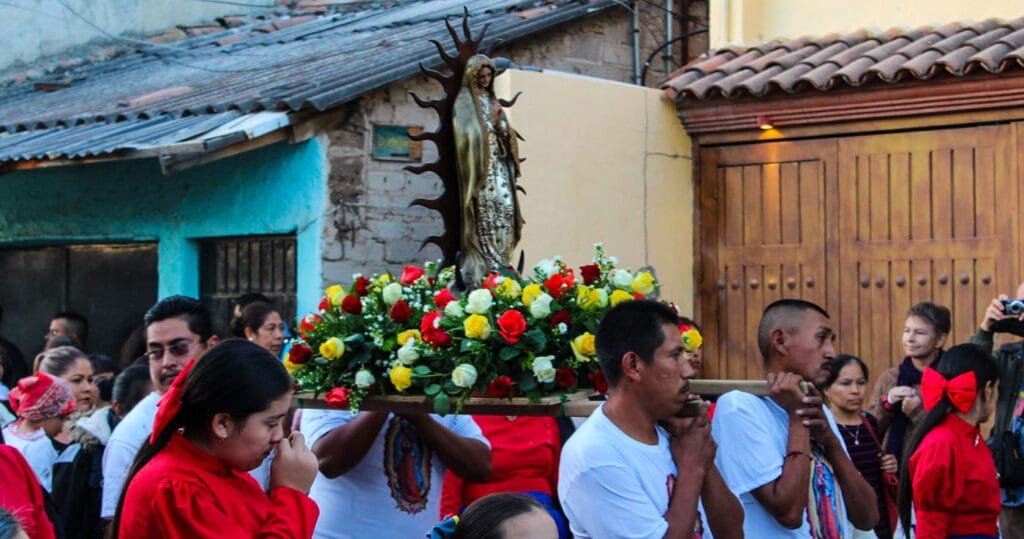
At the center of the procession, the image of Our Lady of Guadalupe is carried on a flower-covered platform. Devotees lift her carefully as prayers and songs rise around them. The crowd watches with reverence, as if seeing her pass for the first time every year. The air fills with the scent of copal incense, fresh flowers, and living history.
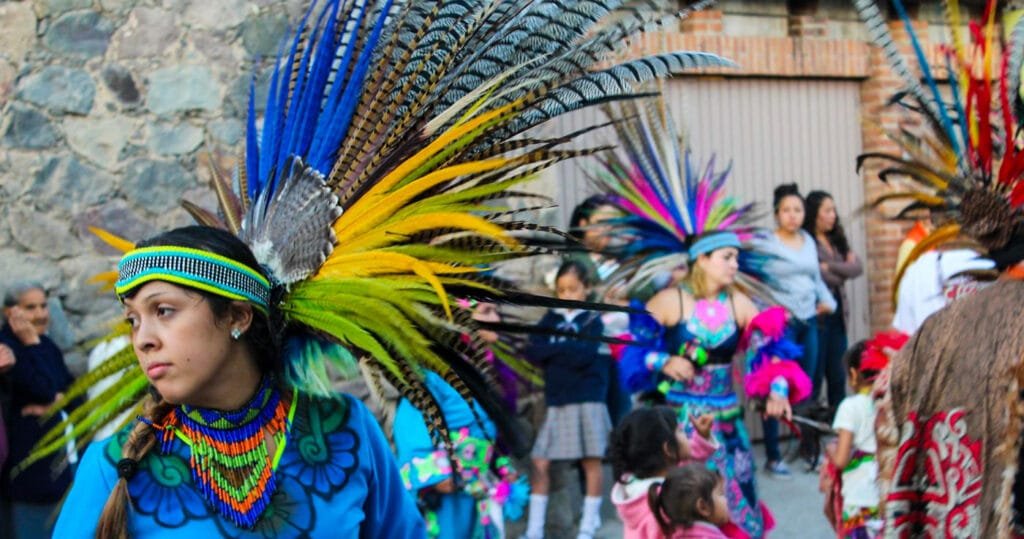
Suddenly, the rhythm shifts: rattles, conch shells, and ancient drums announce the arrival of the traditional dancers. Wearing pre-Hispanic-style attire, colorful feathered headdresses, and painted faces, they evoke the deep roots of this celebration. Their movements bridge past and present in a striking tribute to ancestral tradition.
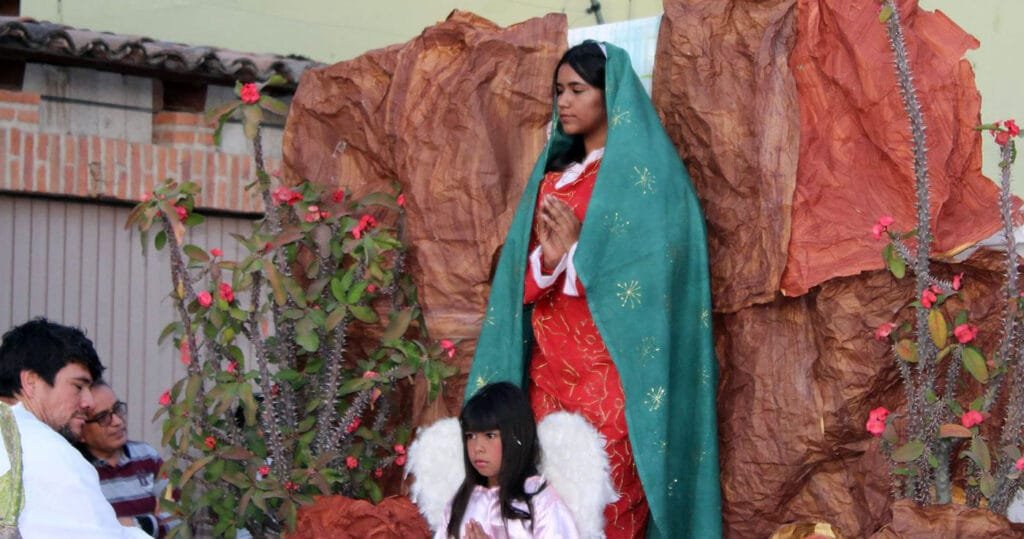
One of the most anticipated moments is the passage of the allegorical floats. One depicts the apparition at Tepeyac: a young woman representing the Virgin, a boy as Juan Diego, the cloak, and the roses. The crowd falls silent; some people cross themselves. In that simple reenactment, a miracle cherished by generations comes to life.
Along the procession route, the façades of homes are adorned with beautiful altars: flickering candles beside images of the Virgin, fresh flowers, colorful papel picado, and personal offerings. Each altar represents a fulfilled promise or a heartfelt expression of gratitude made visible. The street becomes a sacred space transformed by devotion.
This celebration captures how the people of Ajijic come together to keep the Guadalupan tradition alive. From young children to elders, everyone contributes to a shared legacy. The processions, dances, reenactments, and home altars reflect a collective effort rooted in faith, identity, and community pride.
The Virgin of Guadalupe: A Symbol That Unites Faith, Culture, and Mexican Identity
Every December, Ajijic honors Our Lady of Guadalupe with profound devotion. But why does her image inspire such emotion across Mexico? The answer lies in her history and in the spiritual bond she has forged with the Mexican people for nearly five centuries.
According to tradition, in 1531 the Virgin appeared to Juan Diego on Tepeyac Hill—an area that already held sacred significance for Indigenous communities. She asked him to request the construction of a temple on that site. As proof of her apparition, she left her image imprinted on Juan Diego’s tilma (a woven cloak), accompanied by roses blooming out of season. Today, that cloak is preserved in the Basilica of Guadalupe in Mexico City, visited by millions each year.
What makes the Guadalupan image unique is its cultural fusion. Depicted as a brown-skinned woman with both Christian and Indigenous symbolism, she resonated deeply with Native communities, as well as with Spaniards, criollos, and mestizos. During Mexico’s War of Independence, Miguel Hidalgo carried her image as a banner, cementing her role as a symbol of hope, justice, and collective identity.
Her presence is woven into the fabric of daily life—found in churches, homes, murals, music, and celebrations like those in Ajijic. For many, she represents a compassionate mother figure who listens, protects, and accompanies them through life’s challenges. Even abroad, migrants carry her image as a powerful emotional link to their homeland.
So when Ajijic fills with flowers, fireworks, and music every December 12, it is more than a festivity—it is the revival of a shared story that unites generations and reinforces why Our Lady of Guadalupe remains the spiritual heart of Mexico.
Explore More of Ajijic: Culture, Stays, and Practical Guides
Festivals and Traditions in Ajijic: What to Experience Throughout the Year
Ajijic stands out not only for its mild climate and beautiful scenery but also for its rich calendar of traditional celebrations that shape the rhythm of local life. From Holy Week processions and the Feast of Saint Andrew to cultural events like the Balloon Regata and the Day of the Dead parade, each month brings something unique to experience. This article from the Hotel Casa Blanca Ajijic blog offers a complete guide to understanding Ajijic’s annual festivities and connecting with the community in an authentic way.
Read more about Festivals and Traditions in Ajijic…
Why Choose Hotel Casa Blanca Ajijic: Location, Style, and Personalized Hospitality
Where you stay can completely transform your visit. This article explains why Hotel Casa Blanca Ajijic is one of the top choices among travelers and long-term visitors alike: warm, attentive service; charming Mexican-style architecture; an unbeatable location just steps from the lake and the town center; and exclusive benefits when booking directly. It’s a space that blends authenticity with modern comfort, creating the perfect base for exploring Ajijic.
Read more about Why Choose Hotel Casa Blanca Ajijic…
Planning a Long-Term Stay in Ajijic: Tips and What to Expect

Ajijic is an ideal destination for extended stays thanks to its pleasant weather, multicultural community, and relaxed lifestyle. This guide offers practical tips on the best areas to stay, how to navigate local transportation, cultural expectations, and how to adapt easily to life by Lake Chapala. It also highlights why Hotel Casa Blanca Ajijic is a great starting point for settling into the area—its central location and friendly hospitality make the transition smooth and welcoming.
Read more about Planning a Long-Term Stay in Ajijic…
Frequently Asked Questions
When is the Feast of Our Lady of Guadalupe celebrated in Ajijic?
The festivities take place from December 4 to December 12, with December 12 being the main celebration day.
Where do the activities take place?
Most events occur at the Sanctuary of Our Lady of Guadalupe in the Barrio de Guadalupe. Processions begin in different neighborhoods and make their way to the sanctuary.
Do I need to be Catholic to participate?
No. Anyone is welcome to attend or observe the events, as long as it is done respectfully.
Can I take photos or videos?
Yes, but with discretion. Avoid using flash inside the church or during moments of prayer.
Is there a dress code?
There is no official dress code, but modest and comfortable clothing is recommended, especially since you will be walking during processions.
Where can I find the complete program?
The full schedule is available on the official poster distributed by the parish, at the sanctuary itself, or through local media released at the beginning of December.
Is it safe to attend with children or elderly visitors?
Yes, the celebration is family-friendly. Just take normal precautions around fireworks and in more crowded areas.
Stay Close to the Celebration: Your Ideal Hotel in Ajijic
The Feast of Our Lady of Guadalupe in Ajijic is a unique opportunity to connect with the village’s living culture, feel the strength of its community, and become part of one of Mexico’s most cherished traditions. Whether it’s your first time witnessing the celebrations or you return year after year, being in the center of the action makes the experience truly unforgettable.
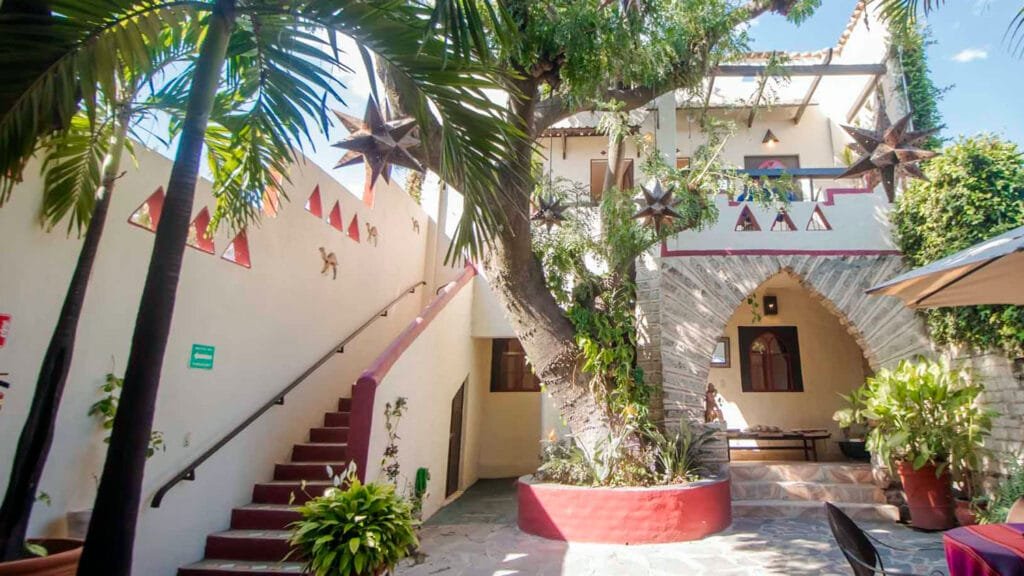
Staying in the heart of the village makes all the difference. At Hotel Casa Blanca Ajijic, you’ll be just steps from the sanctuary, the processions, and the vibrant festive atmosphere.
Here at Hotel Casa Blanca Ajijic, we offer:
• Warm, personalized service
• An ideal location just minutes from the sanctuary
• Authentic design with true Mexican character
• Exclusive benefits when booking directly