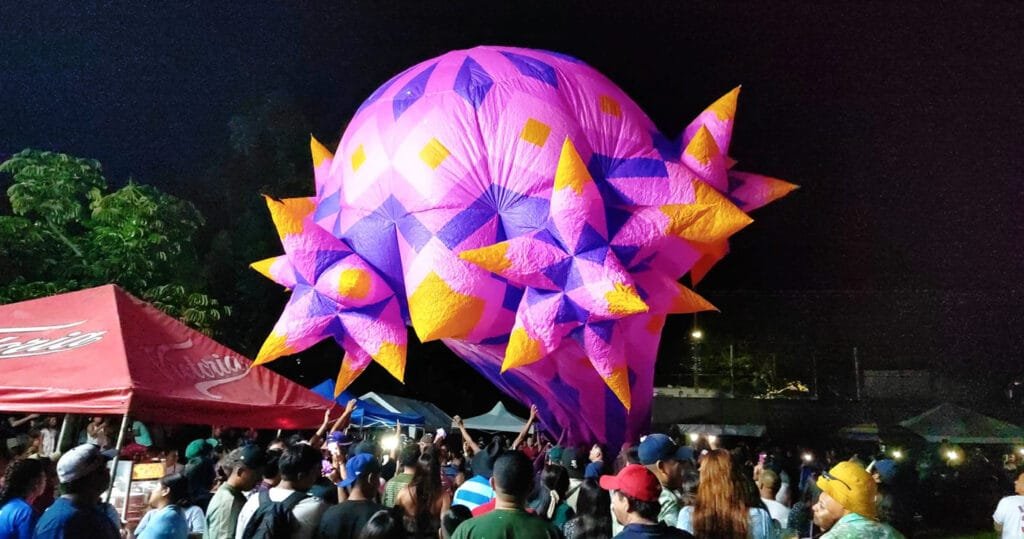
Every year, Ajijic celebrates Day of the Dead with traditional altars, marigold flowers, colorful Catrinas, and community art that honors loved ones who have passed away. In this Pueblo Mágico on the shores of Lake Chapala, the celebration brings together Mexican traditions, local artists, and families in a moving tribute to life and memory.
Known in Spanish as Día de Muertos, this annual celebration takes place mainly on November 1 and 2, although cultural activities may begin in late October. Visitors can discover beautifully decorated altars, handmade clay skulls at the Wall of the Dead, and community events that reflect Ajijic’s artistic identity.
For travelers interested in Mexican culture, Day of the Dead offers an opportunity to experience Ajijic beyond its picturesque streets and lakeside views. Understanding the meaning behind these traditions makes the celebration even more memorable.
What Does Day of the Dead Mean in Mexico?
Day of the Dead, or Día de Muertos, is a Mexican tradition dedicated to remembering and honoring family members and loved ones who have passed away.
Rather than focusing only on loss, the celebration emphasizes remembrance, family connections, and the continuing importance of those who are no longer physically present.
Families prepare offerings called ofrendas, often decorated with photographs, candles, flowers, favorite foods, and meaningful personal belongings.
According to traditional beliefs, the spirits of deceased loved ones symbolically return to visit their families during this time of year.
The celebration brings together Indigenous traditions and customs that developed during Mexico’s colonial period. Although practices vary across the country, remembering loved ones remains at the heart of Día de Muertos.
In 2003, UNESCO proclaimed Mexico’s Indigenous festivities dedicated to the dead a Masterpiece of the Oral and Intangible Heritage of Humanity. The tradition was subsequently inscribed on UNESCO’s Representative List of the Intangible Cultural Heritage of Humanity in 2008.
Today, Day of the Dead is one of Mexico’s most widely recognized cultural traditions, celebrated through family gatherings, religious observances, artistic expressions, and community activities.
Source: UNESCO – Indigenous Festivity Dedicated to the Dead
What Makes Day of the Dead in Ajijic Special?
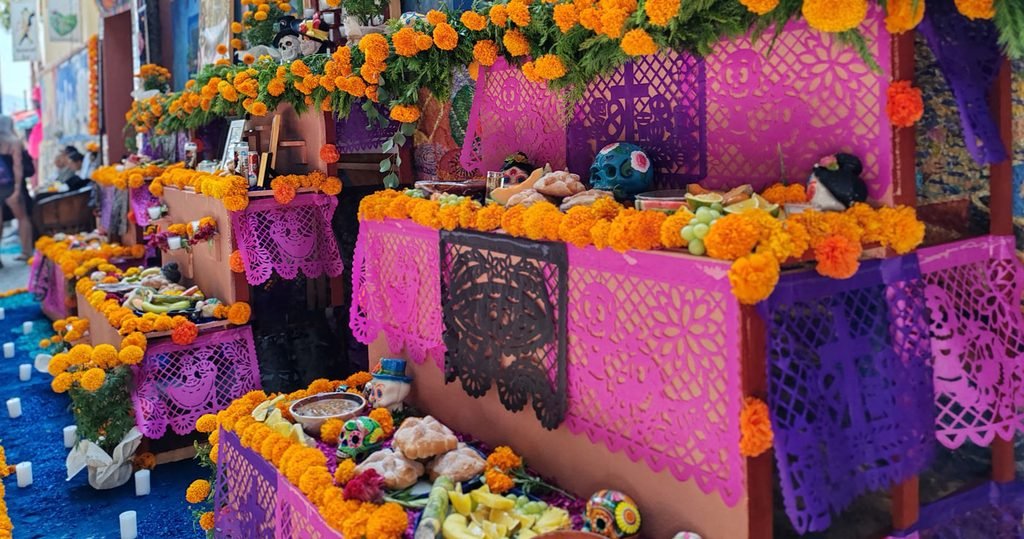
Ajijic celebrates Day of the Dead through a distinctive combination of traditional Mexican customs, community participation, and local creativity.
During the celebration, public spaces may be decorated with bright orange marigolds, traditional altars, Catrinas, colorful artwork, and other displays honoring the deceased.
Local artists, schools, cultural organizations, and residents contribute to activities that reflect the town’s strong artistic identity.
One of the best-known community celebrations is Axixic Vive, a festival that has featured art exhibitions, traditional altars, parades, performances, Mexican food, and family-oriented cultural activities.
Axixic Vive: A Celebration of Life and Memory
The Axixic Vive festival has become an important part of Ajijic’s Day of the Dead celebrations.
For example, the 2025 edition, titled El Lago es Nuestra Tradición (The Lake Is Our Tradition), highlighted the relationship between Ajijic’s cultural heritage and Lake Chapala.
That year’s activities included traditional altars, children’s workshops, artistic performances, the Desfile de Angelitos, a parade of Catrinas and Catrines, and a Xoloitzcuintli contest.
The program also featured an altar honoring deceased fishermen, reflecting the importance of Lake Chapala to the community’s history and identity.
These events illustrate how Ajijic combines remembrance with artistic and cultural expressions that bring residents and visitors together.
Festival activities, locations, and schedules may change each year. Visitors should consult the official program for the year of their trip rather than assume that previous events will be repeated.
Day of the Dead Altars and Their Meaning
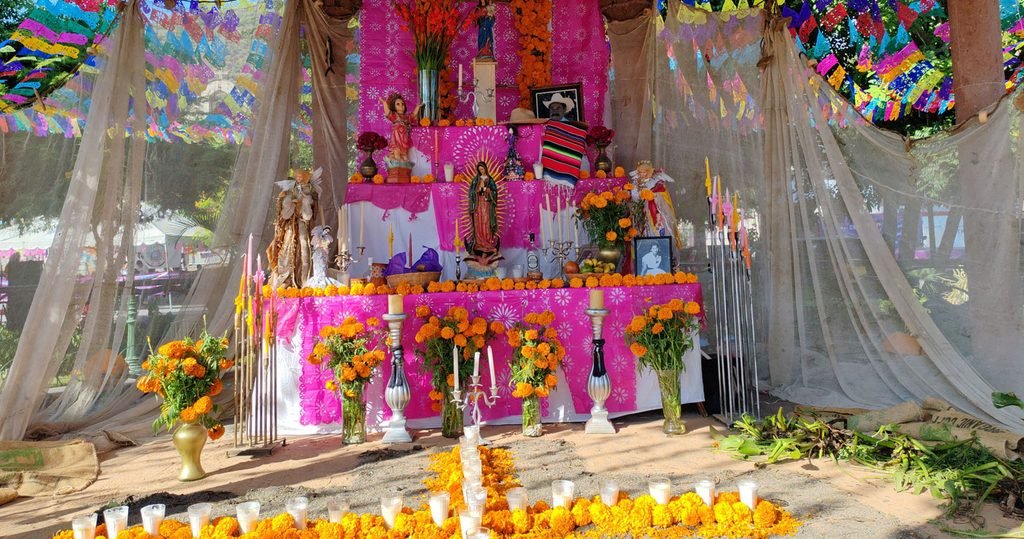
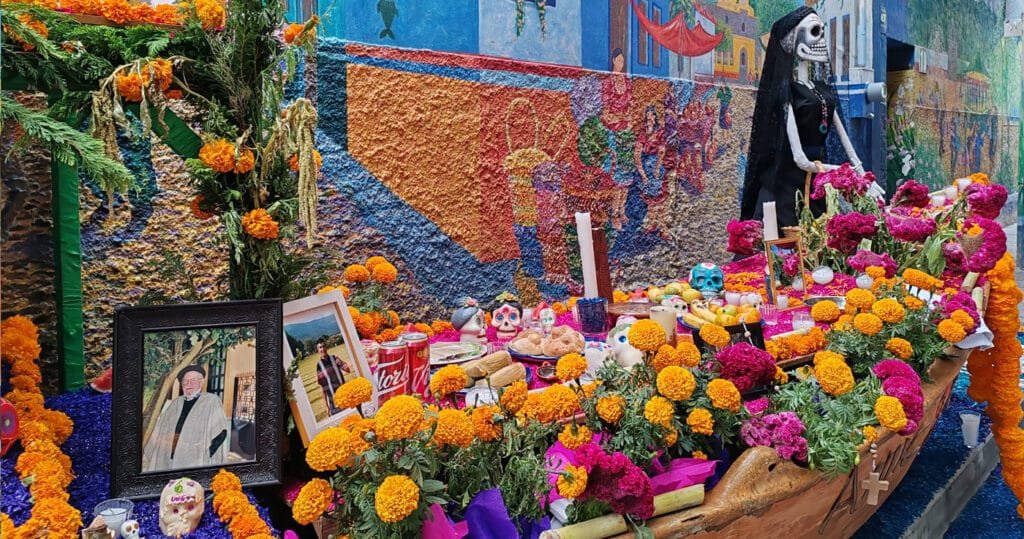
Traditional altars, known as ofrendas, are among the most important elements of Day of the Dead.
Families create these offerings to honor the memory of deceased loved ones. Each altar tells a personal story through photographs, symbolic decorations, favorite foods, and meaningful objects.
Although the arrangement and specific customs vary by family and region, several elements are commonly found on traditional altars.
- Photographs: Honor the people remembered through the ofrenda.
- Candles: Represent the light that symbolically guides the spirits of loved ones.
- Marigolds (cempasúchil): Bright orange flowers traditionally used to decorate altars and create symbolic pathways.
- Food and drinks: Often include the favorite meals and beverages of deceased family members.
- Pan de muerto: A traditional Mexican sweet bread prepared especially for Day of the Dead.
- Papel picado: Colorful, intricately cut tissue-paper decorations often associated with the fragility of life.
- Personal belongings: Represent memories, interests, and meaningful moments from a person’s life.
- Copal or incense: Aromatic materials used in various ceremonial and spiritual traditions.
- Water: Commonly included as a symbolic offering of refreshment for returning souls.
Some altars are elaborate public installations, while others are simple and deeply personal family tributes.
There is no single correct way to prepare an ofrenda. Each family may incorporate elements that reflect its traditions, beliefs, and personal memories.
In Ajijic, visitors may encounter traditional offerings in cultural spaces and public exhibitions during Day of the Dead celebrations. These displays provide an opportunity to understand the symbolism and personal meaning behind this Mexican tradition.
The Wall of the Dead: A Tribute to Ajijic’s Community
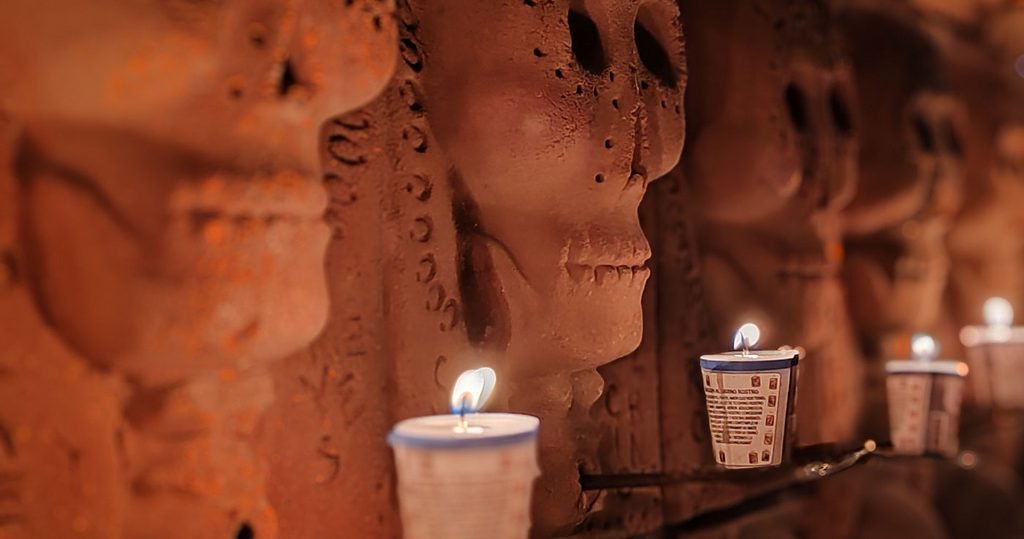
One of Ajijic’s most distinctive examples of public art is the Muro de los Muertos, or Wall of the Dead.
Created by local artist Efrén González, the project began in 2016 as a tribute to people who had passed away and had connections to the Ajijic community.
The artwork features hundreds of handmade clay skulls, many bearing the names or nicknames of deceased residents, family members, friends, and neighbors.
Each skull represents a personal connection to the town, turning the wall into a collective memorial that preserves community memories through art.
Where Is the Wall of the Dead Located?
The Wall of the Dead is located on Marcos Castellanos Street, near the San Andrés Apóstol parish church in downtown Ajijic.
Its central location makes it convenient for visitors exploring the main plaza and nearby cultural attractions.
During previous Day of the Dead celebrations, community activities have included lighting candles at the wall, creating a meaningful tribute to those remembered through the artwork.
Unlike temporary festival decorations, the Wall of the Dead is a permanent cultural landmark that visitors can appreciate throughout the year.
It offers a powerful example of how Ajijic’s artistic traditions help preserve the history and memories of its community.
La Catrina: History and Meaning
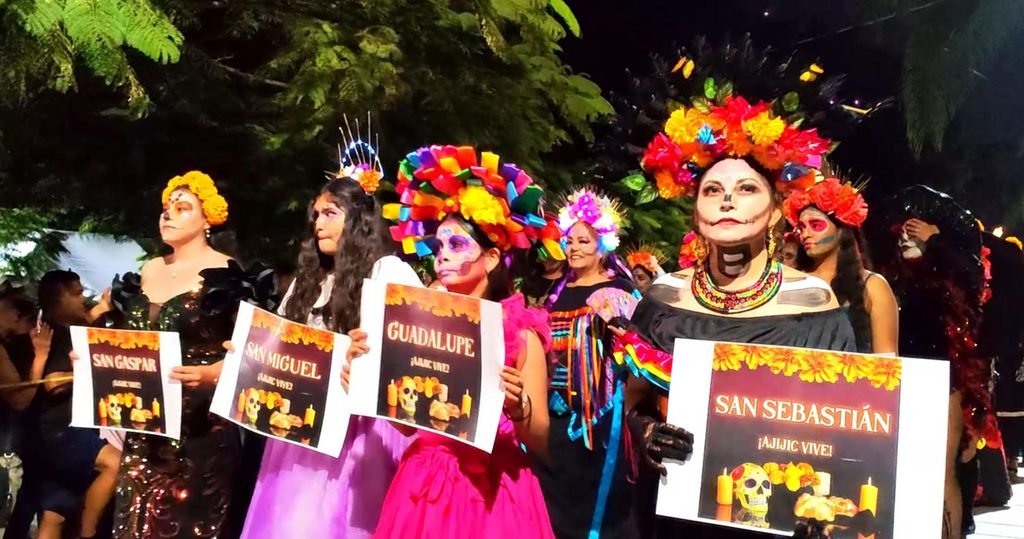
Catrinas are among the most recognizable figures associated with Day of the Dead.
These elegantly dressed skeletons, often depicted wearing elaborate hats and sophisticated clothing, combine artistic expression, social commentary, and reflection on death.
Their origins are connected to Mexican illustrator José Guadalupe Posada, whose famous Calavera Garbancera satirized social appearances and class distinctions.
Later, Mexican muralist Diego Rivera helped popularize the figure through his 1947 mural Dream of a Sunday Afternoon in Alameda Central, in which La Catrina appears alongside important figures from Mexican history.
Over time, La Catrina became closely associated with Day of the Dead and developed into an internationally recognized symbol of Mexican culture.
Despite her elegant appearance, the figure carries a simple message: death comes to everyone, regardless of wealth or social status.
Catrinas and Catrines in Ajijic
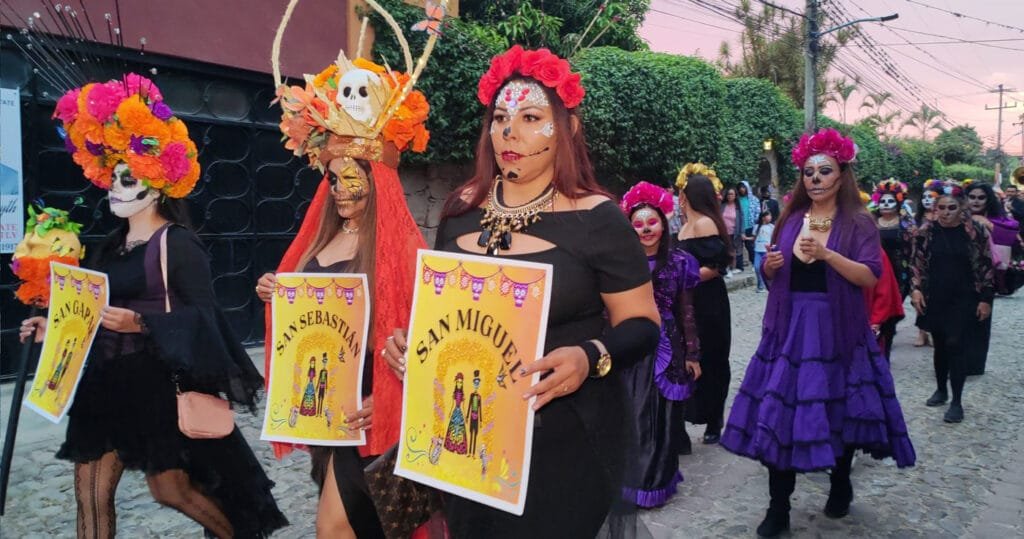
In Ajijic, parades featuring Catrinas and Catrines—the elegantly dressed male counterparts of Catrinas—have been part of various cultural celebrations.
Participants wear elaborate costumes, decorative hats, accessories, and artistic skull makeup inspired by traditional Mexican imagery.
These public events combine creativity, local participation, and cultural symbolism.
For visitors, they provide an opportunity to appreciate the artistic side of Day of the Dead while learning about the meaning behind these iconic figures.
As with other festival activities, parade dates and routes vary from year to year.
Los Angelitos: Remembering Children and Passing Down Traditions
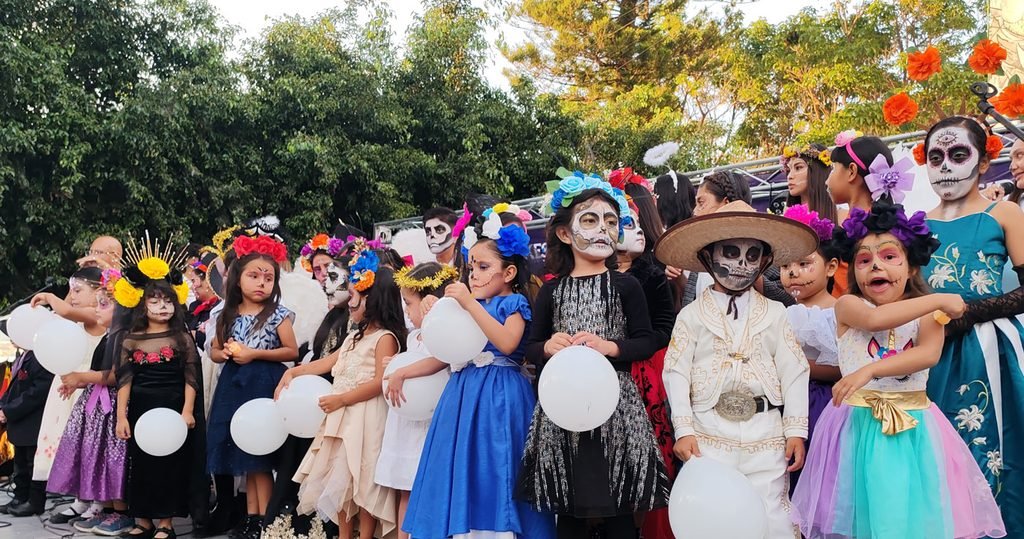
In many Mexican communities, November 1 is traditionally associated with remembering children who have passed away.
These children are affectionately called angelitos, meaning “little angels.”
Families may prepare special offerings with toys, sweets, photographs, flowers, and other meaningful objects to honor their memory.
Children also play an important role in keeping Day of the Dead traditions alive.
By helping prepare altars, learning family stories, and participating in community activities, younger generations develop an understanding of the celebration’s cultural significance.
The Desfile de Angelitos in Ajijic
The Desfile de Angelitos, or Little Angels Parade, has been part of several editions of Ajijic’s Axixic Vive festival, including the 2025 celebration.
Children and families participate in an activity that connects community traditions with remembrance and cultural education.
These events help preserve the customs of Día de Muertos while allowing younger generations to participate in their community’s cultural life.
The Xoloitzcuintli and the Journey to Mictlán
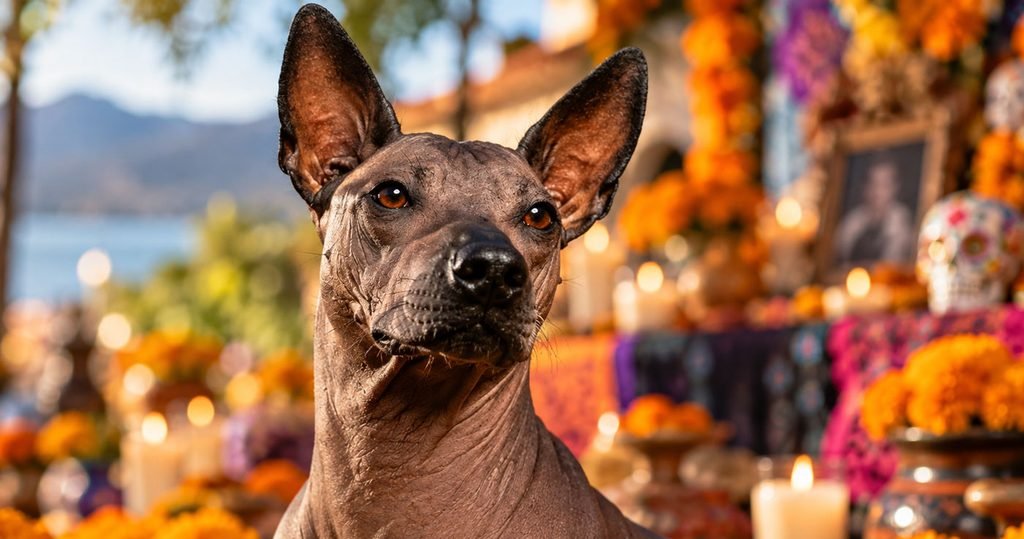
The Xoloitzcuintli, often called a Xolo, is an ancient Mexican dog breed with important symbolic connections to death and the afterlife in several Mesoamerican traditions.
In certain pre-Hispanic beliefs, particularly those associated with the Mexica, dogs were believed to help deceased souls on their journey to Mictlán, the underworld.
According to these traditions, the journey after death involved passing through different challenges before reaching the final destination.
The Xoloitzcuintli became associated with guidance, companionship, and the spiritual journey of the deceased.
Today, the breed frequently appears in artwork and cultural activities connected with Day of the Dead.
Xoloitzcuintles in Ajijic’s Celebrations
Ajijic has incorporated this symbol into contemporary cultural activities.
For example, the Axixic Vive 2024 festival included an activity called Camino al Mictlán (Journey to Mictlán), while the 2025 program featured a Xoloitzcuintli contest with the same name.
These activities introduce visitors to the relationship between ancient Mexican beliefs and modern cultural expressions.
They also highlight the continued importance of Indigenous symbolism in contemporary Mexican traditions.
What Is the Difference Between Day of the Dead and Halloween?
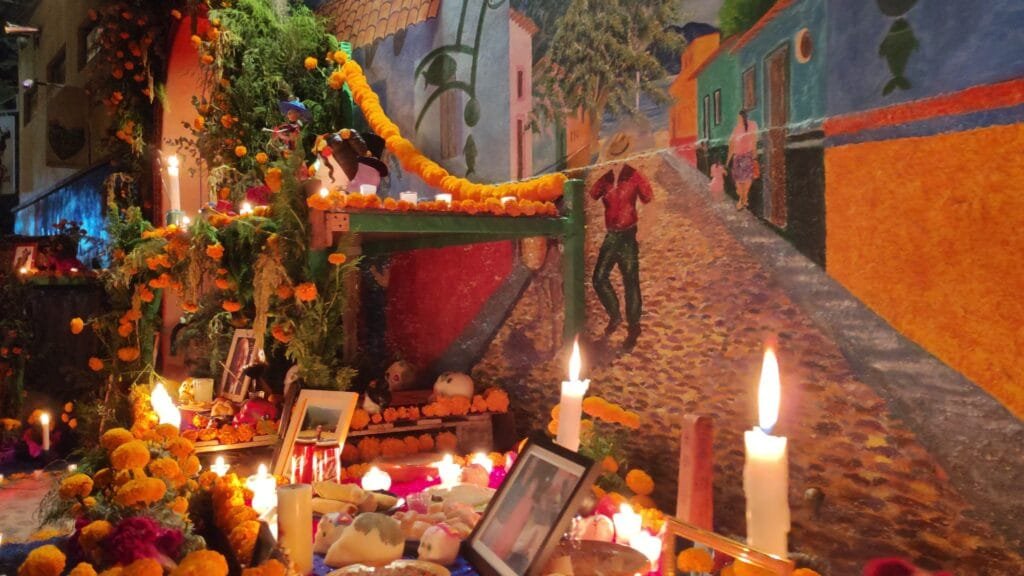
Day of the Dead and Halloween take place around the same time of year and both feature imagery associated with death. However, their origins, traditions, and meanings are different.
Day of the Dead focuses on remembering and honoring deceased loved ones. Families prepare altars, visit cemeteries, share memories, and participate in religious or community traditions.
Halloween developed through different historical and cultural influences and is now commonly associated with costumes, themed decorations, parties, and activities such as trick-or-treating.
Although some visual elements may appear similar, particularly skulls, skeletons, and elaborate makeup, the celebrations should not be considered interchangeable.
In Ajijic, traditional altars, memorial artwork, and community events reflect the cultural and personal meaning of Día de Muertos.
Understanding this distinction helps visitors appreciate the celebration with greater respect for Mexican traditions.
Tips for Experiencing Day of the Dead in Ajijic
Visiting Ajijic during Day of the Dead offers an opportunity to experience Mexican culture through traditional art, food, community activities, and remembrance.
A few practical recommendations can help you plan a comfortable and meaningful visit.
1. Check the Festival Schedule
The main Day of the Dead dates are November 1 and 2, although some activities may begin during the final days of October.
Previous celebrations have included parades, traditional altars, performances, exhibitions, and events in public spaces.
However, festival programs change from year to year.
Before traveling, check local cultural announcements for confirmed dates, times, locations, and parade routes.
The Ajijic Pueblo Mágico website is a useful resource for learning about local traditions and cultural events.
2. Explore Downtown Ajijic
Downtown Ajijic is an excellent place to experience the town’s atmosphere during Day of the Dead.
Start at the main plaza, where traditional architecture, local shops, restaurants, and public spaces reflect everyday community life.
Nearby, you can explore Colón and Morelos streets, visit art galleries, discover colorful murals, and enjoy the town’s walkable center.
The San Andrés Apóstol parish church and the Wall of the Dead are also worth including in your visit.
Continue toward the Ajijic Malecón, a scenic lakeside promenade overlooking Lake Chapala.
These locations are enjoyable throughout the year, although the specific sites of festival activities may vary.
3. Visit the Wall of the Dead
The Wall of the Dead is especially meaningful during Día de Muertos, but it is also worth visiting at other times of the year.
Take a moment to observe the handmade clay skulls and the names that connect the artwork to Ajijic’s community.
Remember that the wall is a memorial honoring real people.
Appreciating the artwork respectfully allows visitors to understand its significance beyond its appearance.
4. Try Traditional Mexican Food
Food is an important part of Mexico’s Day of the Dead traditions.
During this season, look for pan de muerto, a traditional sweet bread associated with the celebration.
You may also find other Mexican specialties, including:
- Tamales: Steamed corn dough filled with savory or sweet ingredients, traditionally wrapped in corn husks or other leaves.
- Atole: A warm, traditional corn-based beverage available in different flavors.
- Hot chocolate: A popular accompaniment to traditional Mexican sweet breads.
- Traditional Mexican dishes: Local restaurants may offer regional specialties and seasonal meals during the celebration.
Availability depends on individual businesses and the dates of your visit. Check local bakeries, restaurants, markets, and food vendors to see what they are offering.
5. Wear Comfortable Walking Shoes
Ajijic is known for its charming cobblestone streets, which contribute to the town’s traditional character.
However, some streets have uneven surfaces and sidewalks may be narrow or irregular.
Comfortable walking shoes are recommended, particularly if you plan to explore downtown or attend several cultural activities.
It is also helpful to carry some Mexican pesos for small purchases, local artisans, and street food vendors.
If you have mobility concerns, plan your route carefully and check the accessibility of specific venues before visiting.
6. Respect Local Traditions
Day of the Dead is a deeply meaningful celebration for many Mexican families.
When visiting traditional altars, appreciate the displays without touching photographs, flowers, food, or personal belongings.
Ask permission before photographing individuals, especially at cemeteries, religious ceremonies, or private family gatherings.
Public cultural events generally welcome visitors, but not every tradition or gathering is intended as a tourist attraction.
Participating respectfully helps preserve the dignity and cultural significance of the celebration.
Explore More of Ajijic
Day of the Dead is only one example of the cultural traditions that make Ajijic a distinctive destination along Lake Chapala.
Throughout the year, the town celebrates its heritage through religious festivities, art festivals, community gatherings, and other cultural events.
If you’re interested in exploring more of the area’s culture, visit our guide to Festivals and Traditions in Ajijic to discover important annual celebrations and local customs.
You can also explore our guide to the Best Places to Visit in Ajijic, featuring the main plaza, lakeside Malecón, art galleries, historic streets, and other attractions worth discovering during your stay.
Together, these experiences offer a closer look at the history, creativity, and community life that give Ajijic its distinctive character.
Frequently Asked Questions About Day of the Dead in Ajijic
When is Day of the Dead celebrated in Ajijic?
Day of the Dead is celebrated mainly on November 1 and 2. Some cultural activities may begin during the final days of October. Specific festival dates and schedules vary each year.
What is Axixic Vive?
Axixic Vive is a community festival associated with Day of the Dead in Ajijic. Previous editions have featured traditional altars, art exhibitions, parades, Mexican food, music, and other cultural activities celebrating life and remembrance.
Where can visitors experience Day of the Dead celebrations in Ajijic?
Previous celebrations have taken place around the main plaza, cultural venues, downtown streets, and the Ajijic Malecón. The Wall of the Dead near San Andrés Apóstol Church is another meaningful place to visit. Event locations and activities vary annually.
What is the Wall of the Dead in Ajijic?
The Wall of the Dead, or Muro de los Muertos, is a public artwork created by local artist Efrén González beginning in 2016. It features handmade clay skulls bearing the names or nicknames of people who have passed away and had connections to the Ajijic community. The artwork is located on Marcos Castellanos Street near the parish church.
Can tourists participate in Day of the Dead celebrations in Ajijic?
Yes. Many cultural activities in public spaces are open to residents and visitors. Travelers are welcome to appreciate the art, traditions, and community events while respecting private family gatherings, memorial offerings, and religious ceremonies.
Is Day of the Dead the same as Halloween?
No. Although both celebrations take place around the same time of year, Day of the Dead focuses on remembering deceased loved ones through family traditions, altars, and community activities. Halloween has different historical origins and is now commonly associated with costumes and entertainment.
Are the same Day of the Dead events held every year?
Not necessarily. Parades, performances, schedules, and activity locations may change from one year to the next. Visitors should check the official festival program for their travel dates.
Is Ajijic a good place to experience Day of the Dead?
Yes. Ajijic offers a combination of traditional Mexican customs, community art, cultural activities, and a walkable town center. Its Wall of the Dead, public altars, and previous Axixic Vive celebrations make it an interesting destination for travelers who want to learn about Día de Muertos.
Where should I stay during Day of the Dead in Ajijic?
Staying near downtown Ajijic makes it convenient to explore local attractions and reach many cultural venues on foot. Hotel Casa Blanca Ajijic is centrally located near the main plaza, restaurants, art galleries, and other points of interest.
Stay at Hotel Casa Blanca During Day of the Dead
Experiencing Day of the Dead in Ajijic is an opportunity to discover the town’s traditions, artistic heritage, and welcoming atmosphere.
Choosing accommodations near the town center can make it easier to explore the main attractions without depending on a car for every outing.
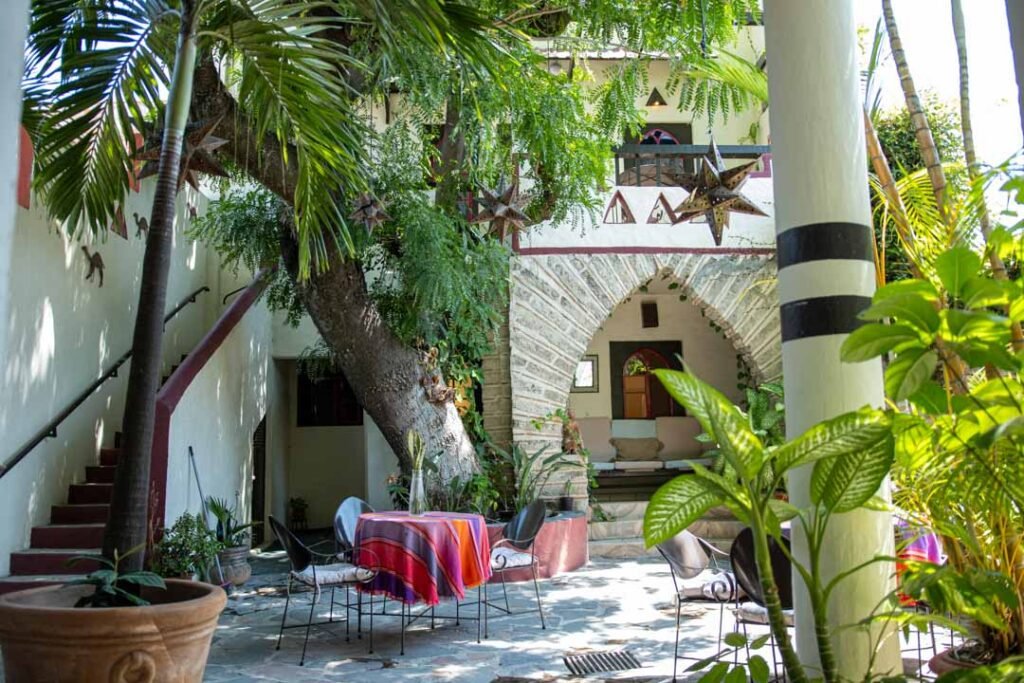
Hotel Casa Blanca Ajijic is a boutique hotel located in the heart of town, within walking distance of the main plaza, restaurants, art galleries, and many of Ajijic’s cultural attractions.
Its convenient location allows guests to discover downtown streets, visit local landmarks, and enjoy cultural activities at a comfortable pace.
After a day of exploring Ajijic and experiencing its traditions, guests can return to the hotel’s peaceful atmosphere, welcoming patios, and comfortable accommodations.
Whether you’re visiting for Day of the Dead or planning a longer stay in the Lake Chapala region, Hotel Casa Blanca offers a convenient home base for discovering Ajijic.
Plan your visit and book your stay directly with Hotel Casa Blanca Ajijic.