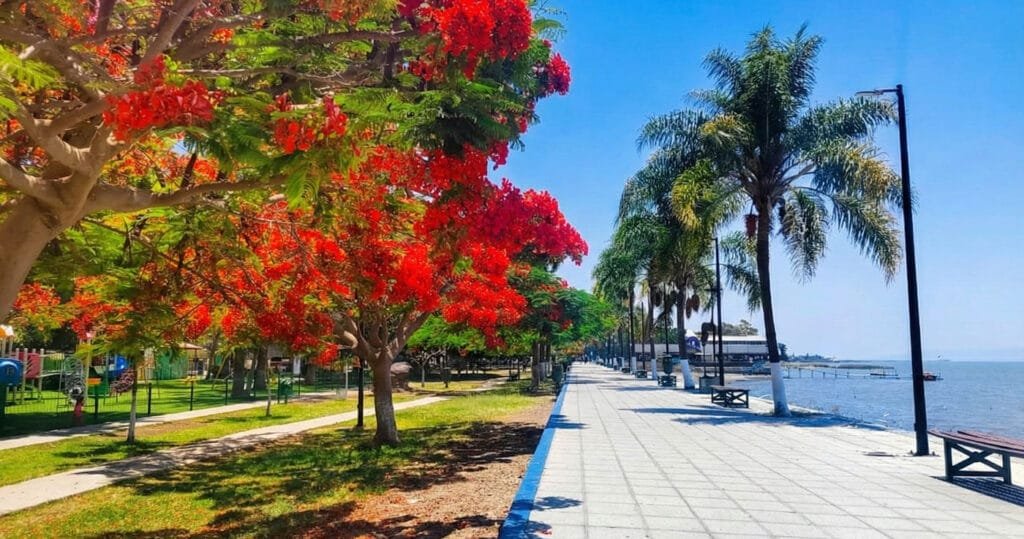
Imagine waking up, taking just a few steps outside, and immediately finding yourself surrounded by scenes of daily life: neighbors greeting each other by name, children running through the plaza, grandparents chatting on the benches, and shopkeepers opening their businesses with a smile. That is the essence of Ajijic. It’s not a staged postcard—it’s a town where human connection is still part of everyday living.
Whether you’re planning a visit, staying for a season, or even considering retirement here, understanding the community is just as important as learning about hotels, weather, or transportation. Ajijic has a personality of its own, shaped by its warmth, its walkable rhythm, and a unique mix of cultures sharing the same space.
By the end of this article, you’ll have a clear sense of what the people here are like, how to interact respectfully, and why staying in a well-located hotel can truly bring you closer to local life.
If you want to experience all of this from the heart of the village, consider staying at Hotel Casa Blanca Ajijic, where everything is just steps away.
Ajijic: A Small Town with a Big Heart
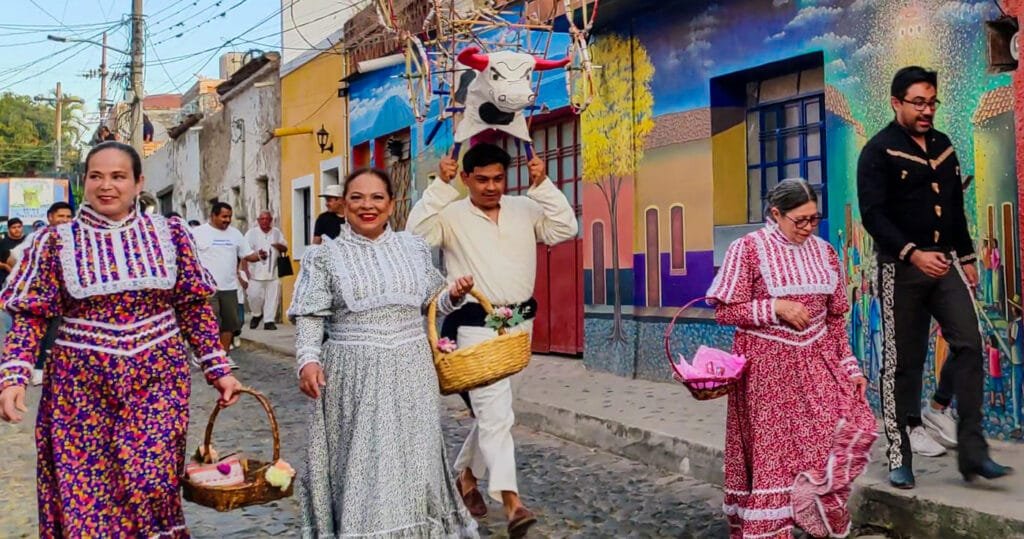
Ajijic is a lakeside village with cobblestone streets, colorful houses, and a slow pace that contrasts sharply with big-city life. People still greet each other on the street, stop to chat for a few minutes, and recognize their neighbors by name. Community life here isn’t a romantic idea—it’s real and vibrant.
The plaza, the lakefront boardwalk (known as the malecón), the Wednesday open-air market, and nearby cafés all serve as natural gathering points. In any of these places, someone will likely be willing to guide you, recommend where to eat, or share a bit of local history. Ajijic welcomes those who arrive with curiosity and respect.
The Social Blend That Defines Ajijic
Ajijic is a human mosaic where generations of local families, foreign retirees, and visitors from all over live side by side.
Local families—many of whom have been here for decades—tend to work in traditional trades: carpentry, gardening, masonry, fishing, cooking, or running small family businesses. They play an active role in festivals, religious processions, and community traditions that give the town its identity. The San Andrés Parish and the plaza remain essential spaces for celebrations, gatherings, and civic life.
The foreign community, made up mostly of American and Canadian retirees, enjoys the perfect climate, peaceful atmosphere, and culturally active lifestyle. Many volunteer, support community projects, take or teach classes, or collaborate with organizations like the Lake Chapala Society, which has promoted cultural integration for more than 60 years.
Temporary visitors—Mexican or foreign—come for weekends, vacations, or extended stays as they explore whether Ajijic could become their next home. The interaction among these three groups creates a relaxed, walkable, and conversational “social climate.” People move on foot between home, the plaza, the lakefront, and the open-air market, and that constant flow allows anyone to see the real life of the village.
What Daily Life Looks Like in Ajijic
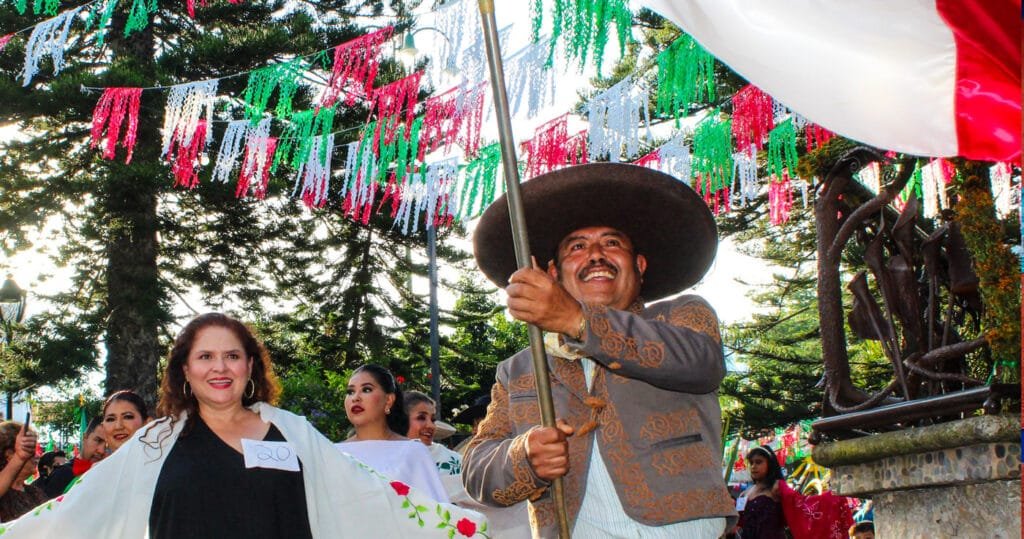
To understand the people of Ajijic, all you need to do is observe a typical day in the pueblo.
Mornings: Market Day, Errands, and Lakeside Cafés
Wednesday mornings are special. The open-air market—known in Mexico as a tianguis—starts early and fills the streets with color, aromas, and lively conversations. Local families do their weekly shopping, some visitors try tejuino (a traditional fermented corn drink) for the first time, neighbors catch up on the week’s news, and the sound of live music blends with the bustle.
On other days, mornings usually begin in traditional bakeries, small eateries, or cafés facing the lake. It’s a peaceful moment to stroll along the malecón, watch the village prepare for the day ahead, and enjoy the soft morning light.
Afternoons: Quiet Hours, Work, and Street Life
In the afternoon, Ajijic slows down. Some businesses close for lunch; others reopen later once the sun eases. It’s common to see children leaving school, workers heading home, and neighbors sitting outside chatting in the shade.
This time of day is ideal for exploring less-touristy streets, admiring murals, visiting galleries, or stepping into an artisan workshop where local artists often work with their doors open.
Evenings: Music, the Plaza, and the Malecón
As the sun sets, the malecón becomes a natural gathering place. Families, couples, groups of friends, and foreign residents take evening walks to enjoy the fresh breeze from the lake. The sky often turns shades of orange, violet, and pink—colors that make everyone stop for a moment.
Later, the plaza comes alive. Kids run and play, teens hang out, music appears naturally, food stands fill the air with delicious aromas, and during festival season, the activities of the Patron Saint Festivities bring an added wave of energy. It’s lively but not chaotic—a pleasant atmosphere where walking back to your hotel feels safe and enjoyable.
A Living Culture: Art, Festivals, and Traditions
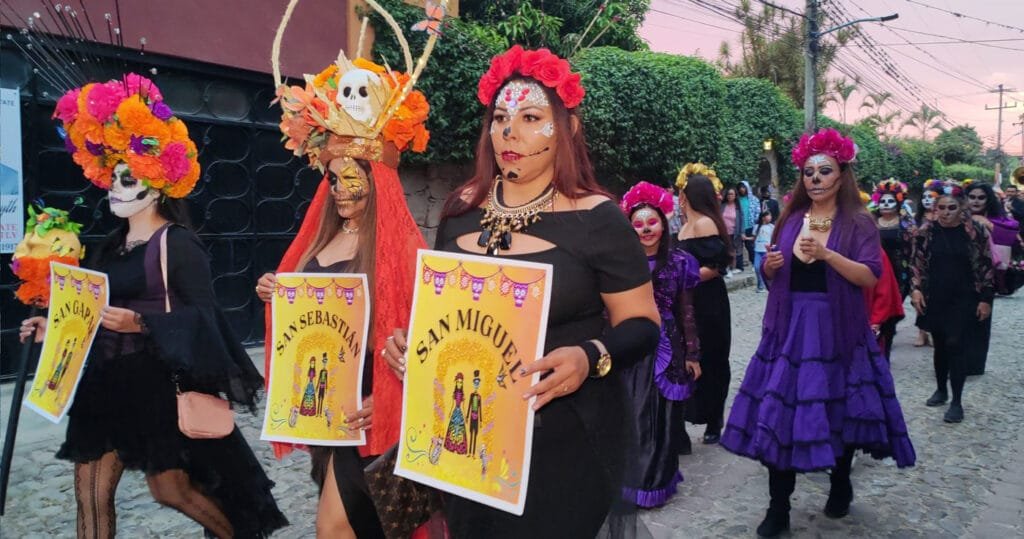
In Ajijic, tradition and art are not decorative add-ons—they’re part of everyday life.
The Patron Saint Festivities of San Andrés, held every year from November 21 to 30, are the religious and cultural heart of Ajijic. For nine days, the town celebrates with processions, Mass, traditional dances, live bands, fireworks structures called castillos, rides, and plenty of food. Neighborhood groups called gremios organize each day’s events, involving locals, foreign residents, and visitors alike.
Other major celebrations take place throughout the year, including:
- the Paper Balloon Regatta in September (handcrafted hot-air balloons made of tissue paper),
- Día de Muertos with altars and catrina figures displayed across town,
- and Christmas season festivities with posadas and community gatherings.
Ajijic also has a strong artistic identity. Murals and sculptures decorate the streets, telling stories about the lake, the community, and the local culture. The Centro Cultural Ajijic, located by the plaza, serves as a creative hub hosting exhibitions, concerts, theater performances, and workshops. Further along the lakeshore, the Centro para la Cultura y las Artes de la Ribera presents national and international performances that enrich the town’s cultural scene.
Respectful Interaction: Essential Local Etiquette
Fitting into Ajijic is easy when you understand that the community values kindness, consideration, and a calm attitude. Greeting store owners when you enter, saying thank you, asking politely, or avoiding harsh tones are simple gestures that open doors. People here appreciate courtesy as part of daily coexistence.
In religious or festive spaces, it’s important not to interrupt. Avoid stepping in front of participants, using flash during Mass or solemn moments, and always ask permission before photographing someone up close. Respect is key to enjoying these traditions without disrupting the experience for those who practice them with devotion.
When it comes to spending, leaving a tip at restaurants (usually 10–15%) is standard practice. In markets or the tianguis, gentle bargaining is acceptable but should never be pushy. Shopping at small businesses, street food stalls, or artisan stands has a direct impact on local families.
Where to Stay to Experience Ajijic from the Inside
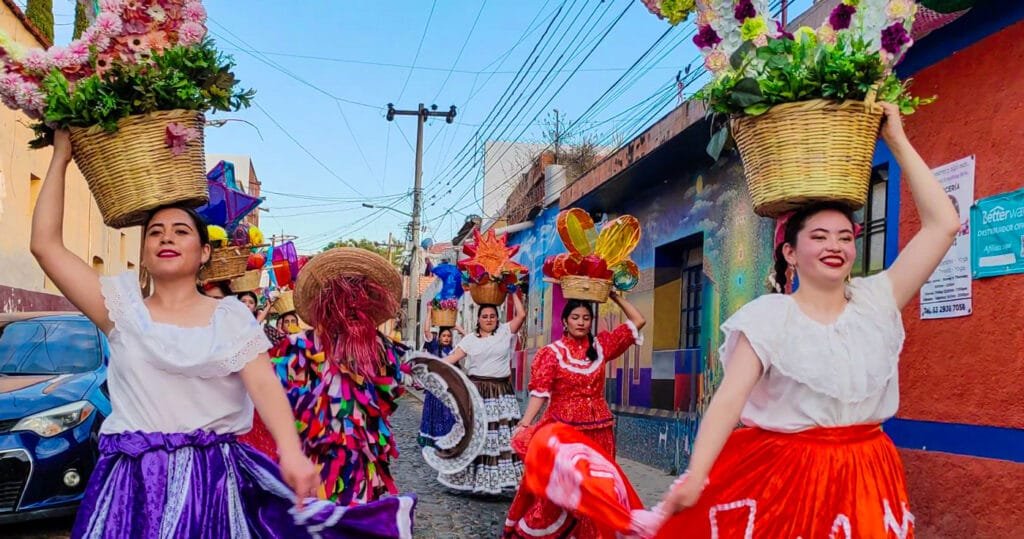
In Ajijic, location transforms your experience. It’s a town designed for walking, and staying in the heart of the village allows you to enjoy everything without relying on a car. If you stay far away, your interaction with the community becomes more limited.
Being close to the plaza and the malecón lets you blend into daily life: you step out of your hotel and, within minutes, you’re already part of the town’s natural rhythm. The Wednesday market, the Centro Cultural Ajijic, and local restaurants are also just a short walk away.
Hotel Casa Blanca Ajijic, strategically located, acts as a bridge to the local community. The staff knows the town well and can recommend where to eat, what events are happening that day, which streets are worth exploring, or how to move around like a resident. The peaceful environment also encourages interactions among guests who are discovering Ajijic during their stay.
A typical day when you stay somewhere this well located might start with a relaxing breakfast, followed by a walk to the market, then a midday break to rest, an afternoon by the lake, and dinner at a nearby restaurant before strolling back to the hotel. Without any effort, you become part of the village’s natural flow.
Discover Ajijic: The Best of the Town, Its Corners, and Its Traditions

Ajijic: An Essential Guide to Its Charm, Culture, and Lakeside Life
Ajijic is one of those destinations that surprises even well-traveled visitors. This Pueblo Mágico—a designation given to culturally significant towns in Mexico—combines a privileged climate, colorful cobblestone streets, a warm community, and a cultural life you can feel at every turn. Here, local families, artists, travelers, and foreign residents coexist, creating a diverse and relaxed atmosphere where there’s always something to discover—from vivid murals to hidden cafés overlooking the lake.
Its location along the shores of Lake Chapala means every sunrise and sunset becomes a natural spectacle. If you’re planning a visit, this guide will help you understand what makes Ajijic so special and how to make the most of your stay.
Read more about Ajijic and get ready to fall in love with the village…
Must-See Places in Ajijic: Authentic Spots You Can’t Miss
Ajijic is filled with corners that impress with their beauty, energy, and history. If you enjoy walking, you’ll find streets full of street art, galleries showcasing local and international talent, cafés with quiet terraces, and spectacular lake views. The malecón is perfect for watching the sunset, while the main plaza buzzes with music, food, and friendly faces every day.
You’ll also find cultural spaces like the Centro Cultural Ajijic, parks, traditional restaurants, and areas where local life blends naturally with that of visitors. This curated list will help you plan your visit wisely and enjoy Ajijic the way locals do.
Read more about the best places to visit in Ajijic…
Festivals and Traditions of Ajijic: A Living Culture You Can’t Miss
The festivals and traditions of Ajijic are the beating heart of its identity. This town celebrates with joy, color, and a strong sense of community that fascinates visitors. From the famous San Andrés Patron Saint Festivities—with music, processions, and fireworks—to the iconic Paper Balloon Regatta that lights up the sky each September, Ajijic always has something to celebrate.
Other highlights include Día de Muertos, Christmas posadas, and cultural events that fill the plaza and the malecón throughout the year. Understanding these traditions means understanding the essence of the pueblo and connecting with its people. This article walks you through the most important celebrations so you can experience Ajijic authentically.
Read more about Ajijic’s festivals and traditions…
Frequently Asked Questions
Is the people of Ajijic friendly toward visitors?
Yes. The blend of local families and foreign residents has created a community accustomed to welcoming newcomers. A friendly greeting and respectful attitude usually open any conversation.
Do I need to speak Spanish to get around comfortably?
It’s not required, but it does help. In tourist-oriented areas you’ll find people who speak English, but in markets or basic services, Spanish is more common. Learning a few simple phrases makes everything easier.
Is Ajijic a good place to retire?
Many retirees choose it for its climate, active community, and volunteer opportunities. If you’re considering retirement here, it’s wise to spend an extended period exploring neighborhoods and talking with both locals and foreign residents.
How can I respectfully participate in or observe a local festival?
Check schedules and routes in advance. Observe where locals stand, avoid blocking processions, keep your phone use discreet, and ask if you’re unsure. People are usually happy to guide visitors.
Which area is best for connecting with the community on foot?
The surroundings of the main plaza and the malecón are ideal. From there, you can easily walk to the Wednesday market, the Centro Cultural Ajijic, restaurants, and family-owned shops.
What is the best area to stay in Ajijic to experience local life?
The best area is the central zone near the main plaza and the malecón, where daily life naturally unfolds. From this area you can walk to restaurants, cultural spaces, and markets. Hotels like Hotel Casa Blanca Ajijic place you right in the heart of the village
Come Discover Ajijic Through Its People
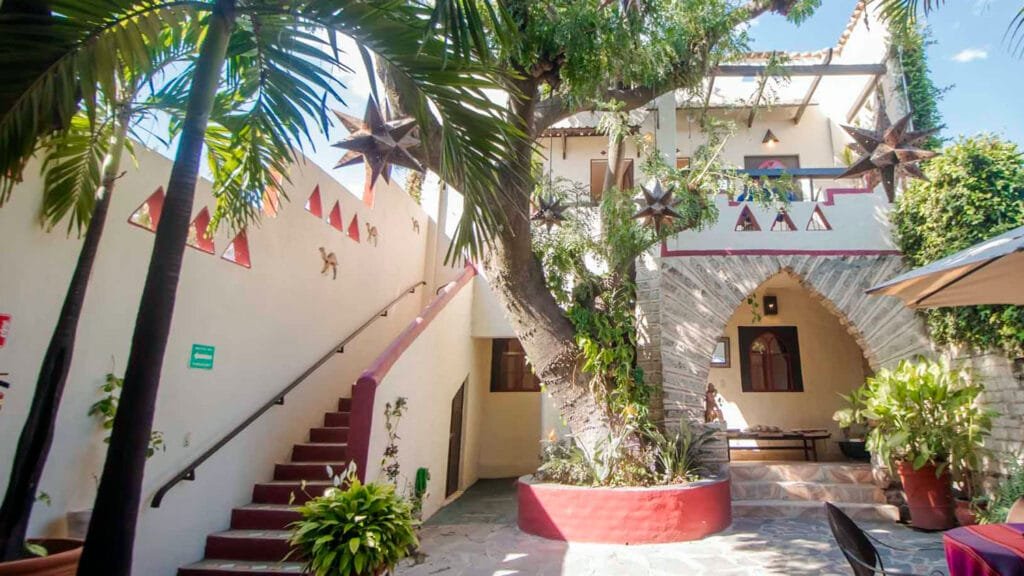
Ajijic isn’t just a collection of pretty streets by the lake. It’s a community where people still greet each other on the street, where festivals are organized by neighborhood groups, where art is created in workshops and displayed in murals, and where locals and foreigners share public spaces every single day.
To truly understand this place, you need more than a photo of the malecón: you need to walk through its market, sit in its plaza, listen to its festivals, and interact with its community.
Choosing a well-located hotel with a team that knows the town and can guide you makes all the difference. Hotel Casa Blanca Ajijic places you just steps from where everything happens: the plaza, the malecón, the cultural centers, the markets, and the festivals.
Every time you step out of your room, you’re stepping directly into the daily life of Ajijic.
And each night, you return knowing you weren’t just visiting a destination—you became part, even if just for a few days, of the community that makes it unique.